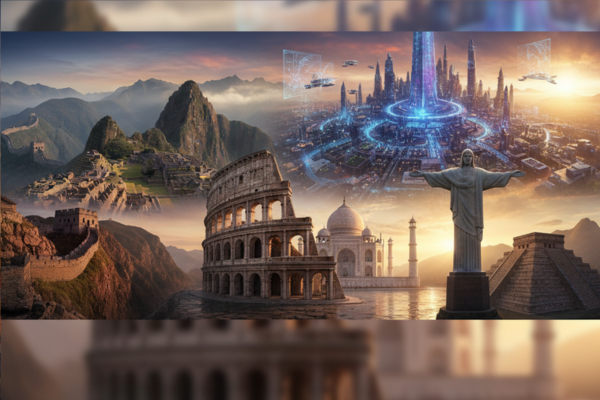
What are the 8 Wonders of the Earth in 2026?
Human achievement has always inspired awe — from ancient pyramids to breathtaking modern architecture and natural wonders. In 2026, the world celebrates eight iconic wonders that capture the imagination, honor history, and showcase beauty both crafted by humans and shaped by nature.
In this comprehensive guide, we explore each of the 8 Wonders of the World, their locations, history, and why they remain must-visit places.
1. The Great Pyramid of Giza — Egypt
Location
-
Giza Plateau, near Cairo, Egypt
Why It’s a Wonder
The Great Pyramid of Giza is the only surviving structure of the original Seven Wonders of the Ancient World. Built over 4,500 years ago during the reign of Pharaoh Khufu, it was the tallest human-made structure for millennia.
What Makes It Special
-
Constructed with over 2 million limestone blocks.
-
Remarkable alignment with celestial bodies.
-
Holds mysteries about construction techniques that continue to puzzle scientists.
This incredible monument shows the genius of ancient Egyptian engineering and remains a powerful symbol of human capability.
2. Machu Picchu — Peru
Location
-
Andes Mountains, near Cusco, Peru
Why It’s a Wonder
Hidden high in the mountains, Machu Picchu was built by the Inca Empire in the 15th century and later abandoned. Rediscovered in the early 20th century, it has become one of the most recognizable symbols of pre-Columbian civilization.
What Makes It Special
-
Amazing stone construction without mortar.
-
Terraced fields and strategic location with breathtaking views.
-
Spiritual and cultural significance tied to Inca traditions.
Visitors today walk ancient pathways that were once part of a thriving cultural and political center.
3. The Colosseum — Italy
Location
-
Rome, Italy
Why It’s a Wonder
The Colosseum stands as a testament to the grandeur of the Roman Empire. Completed in 80 AD, this amphitheater hosted gladiator battles, theatrical performances, and public spectacles.
What Makes It Special
-
Seating capacity once reached 50,000 spectators.
-
Complex engineering and crowd-control design.
-
A lasting symbol of ancient Rome’s cultural influence.
The Colosseum attracts millions of visitors each year, offering a glimpse into ancient entertainment and architectural excellence.
4. Petra — Jordan
Location
-
Ma’an Governorate, Jordan
Why It’s a Wonder
Carved directly into rose-colored cliffs, Petra served as the capital of the Nabatean Kingdom as early as the 4th century BC. This archaeological city is famous for its rock-cut architecture and water conduit system.
What Makes It Special
-
The iconic Treasury with detailed façade.
-
Hidden tombs and temples carved into canyon walls.
-
Ancient water management systems that supported life in the desert.
Petra’s dramatic landscapes and mysterious history make it one of the most unforgettable sites on Earth.
5. Christ the Redeemer — Brazil
Location
-
Rio de Janeiro, Brazil
Why It’s a Wonder
Standing tall atop Mount Corcovado, Christ the Redeemer welcomes visitors with open arms. This massive statue of Jesus Christ was completed in 1931 and remains a defining symbol of faith and peace.
What Makes It Special
-
30-meter tall statue with outstretched arms.
-
Iconic panoramic views of Rio de Janeiro.
-
Cultural importance representing unity and hope.
Millions visit each year to see the statue and take in sweeping views of mountains, beaches, and city life below.
6. Great Wall of China — China
Location
-
Northern China (spanning multiple provinces)
Why It’s a Wonder
“The Great Wall of China stands as one of the most massive and ambitious building efforts in human history.” Stretching thousands of kilometers, it was built and rebuilt over centuries to defend against invasions.
🔍 What Makes It Special
-
Historic defense system spanning deserts, hills, and mountains.
-
Represents the power and organization of past dynasties.
-
Visible from space under certain conditions.
The Great Wall continues to awe travelers with its immense scale and rich history.
7. Taj Mahal — India
Location
-
Agra, Uttar Pradesh, India
Why It’s a Wonder
Constructed in the 17th century by Emperor Shah Jahan in memory of his wife Mumtaz Mahal, the Taj Mahal is a symbol of love and one of the world’s most exquisite examples of Mughal architecture.
What Makes It Special
-
Pure white marble changing hues with sunlight.
-
Symmetry and intricate inlay work with precious stones.
-
Gardens and reflecting pool adding to the serene atmosphere.
The Taj Mahal showcases artistic mastery and emotional legacy in every detail.
8. Iguazú Falls — Argentina & Brazil
Location
-
Border of Argentina and Brazil
Why It’s a Wonder
Unlike the other wonders on this list, Iguazú Falls is a natural wonder — a massive waterfall system that stretches nearly 3 kilometers (almost 2 miles). “It ranks among the world’s most immense and forceful waterfall systems.”
What Makes It Special
-
Over 275 individual waterfalls and cascades.
-
Rich subtropical rainforest and diverse wildlife.
-
Dramatic views and mist that blankets the surrounding area.
Iguazú Falls offers a raw, natural spectacle that’s as thrilling to see up close as it is from a distance.
Why These 8 Wonders Matter in 2026?
These wonders aren’t simply tourist attractions — they are cultural landmarks, architectural marvels, and testaments to human innovation or natural force. They inspire curiosity, teach history, and connect millions of people to shared world heritage.
Here’s why they remain relevant:
1. Preserving Global Heritage
Each wonder tells the story of civilizations long past or ecosystems shaped over millennia. They are living history books — places that educate and inspire new generations.
2. Driving Tourism and Local Economies
Tourism to these wonders supports local communities, from tour guides and hospitality workers to conservation efforts that protect these sites.
3. Inspiring Art, Film, and Culture
Many of these locations have influenced music, literature, film, and art. They appear in poetry, documentaries, and stories told around the world.
4. Promoting Conservation Awareness
Especially for natural wonders like Iguazú Falls, global interest helps promote environmental protection and respect for nature.
Tips for Travelers in 2026
If you’re planning to visit one or more of these wonders, here are practical tips to make your trip unforgettable:
Plan Ahead
-
Book flights early to secure better prices.
-
Check visa requirements for each country.
-
Research seasonal weather to choose the best travel time.
Best Visiting Times
-
Great Pyramid (Egypt): Cooler winter months from November to February.
-
Machu Picchu (Peru): Dry season May to September for clearer mountain views.
-
Iguazú Falls (Argentina & Brazil): Spring and fall offer balanced weather and high water flow.
Dress Comfortably
-
Wear sturdy shoes — many sites require walking on uneven terrain.
-
Bring sun protection in desert or tropical areas.
Capture Memories Respectfully
-
Follow photography guidelines — some areas restrict flash or drones.
-
Respect local cultures and guidelines when recording images.
Learn Before You Go
Understanding the history and meaning of these places can deepen your appreciation. Books, documentaries, and local cultural centers are great resources.
Fun Facts About the 2026 Wonders
| Wonder | Interesting Fact |
|---|---|
| Great Pyramid | Originally covered with polished limestone casing stones that reflected sunlight. |
| Machu Picchu | Was unknown to the outside world until 1911. |
| Colosseum | Had a roof system called the “velarium” to shade spectators. |
| Petra | The site was lost to travelers for centuries before modern rediscovery. |
| Christ the Redeemer | Restored multiple times due to weather effects at high altitude. |
| Great Wall of China | Includes many walls built in different dynasties over 2,000 years. |
| Taj Mahal | Color shifts from white to golden during sunset and moonlight. |
| Iguazú Falls | The largest section of falls is called “Devil’s Throat.” |
Wonder Is Everywhere
Whether crafted by human hands or formed by nature’s forces, the 8 Wonders of the World in 2026 reflect the diversity and magnificence of our planet. Traveling to these places connects people to global history and reminds us how vast, creative, and powerful the world truly is.
If you’re dreaming of adventure, cultural exploration, or breathtaking beauty, these wonders are waiting — each with a story worth experiencing.