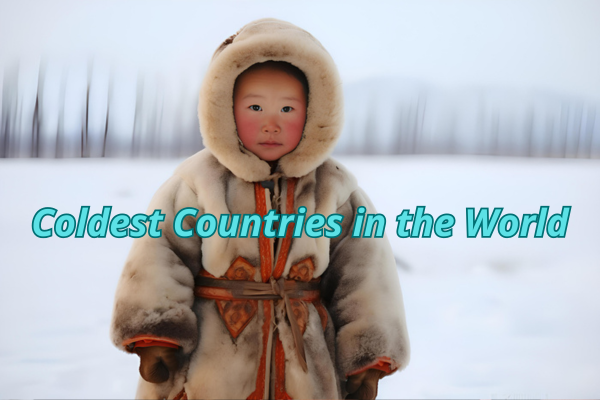
The Coldest Countries in the World: Extreme Winter Destinations and Their Lowest Temperatures
When it comes to extreme weather, cold climates fascinate and challenge humans in ways few other conditions can. Across our planet, some countries endure winters so severe that temperatures plunge to levels that seem almost unimaginable. Whether for adventure tourism, scientific exploration, or sheer curiosity, understanding the coldest countries in the world and their extreme temperatures can give a deeper appreciation for how diverse Earth’s climates are.
In this article, we will explore the coldest countries, their minimum temperatures, and some interesting facts about life in these icy environments.
1. Russia – The Frozen Giant
Russia, the largest country on Earth, is home to some of the harshest winters imaginable. Its Siberian regions, in particular, experience extreme cold due to their continental climate, far from the moderating effects of oceans.
-
Coldest Region: Oymyakon, Yakutia
-
Minimum Temperature Recorded: -67.7°C (-89.9°F)
Oymyakon is often cited as the coldest inhabited place on Earth. Residents there adapt to extreme cold with specialized clothing, sturdy housing, and routines that take limited daylight into account. Winters can last over six months, with snow covering the ground for most of the year.
Fun Fact: Despite the brutal winters, people in Oymyakon celebrate traditional festivals and continue to live in harmony with the Arctic conditions.
2. Canada – Northern Beauty in Ice
Canada’s vast northern territories are renowned for cold winters. Provinces like Yukon, Northwest Territories, and Nunavut experience prolonged periods of freezing temperatures, often dropping far below zero.
-
Coldest Region: Snag, Yukon
-
Minimum Temperature Recorded: -63°C (-81.4°F)
Canada’s winters can bring heavy snowfall, icy lakes, and frozen rivers, making the country ideal for winter sports enthusiasts and researchers alike. The extreme northern regions are sparsely populated, but they host important wildlife like polar bears, arctic foxes, and caribou.
Lifestyle Insight: In northern Canada, daily life involves unique adaptations like using snowmobiles instead of cars, ice fishing, and managing heating systems that must endure sub-zero temperatures.
3. Mongolia – Cold, Dry, and Expansive
Mongolia, known for its steppes and deserts, has a climate characterized by cold winters and warm summers. Its continental climate causes massive temperature swings, with winters being particularly harsh.
-
Coldest Region: Tsagaannuur
-
Minimum Temperature Recorded: -55°C (-67°F)
In Mongolia, winters are known as “dzud,” a period of extreme cold combined with heavy snowfall or drought. Livestock herding communities face great challenges during these months, requiring careful planning to protect animals and ensure survival.
Cultural Note: Despite harsh conditions, Mongolia has maintained traditional nomadic lifestyles for centuries, with yurts (gers) designed to withstand the frigid climate.
4. Greenland – The Arctic Land of Ice
Greenland, an autonomous territory within the Kingdom of Denmark, is covered mostly by ice and glaciers. Its Arctic climate brings long, dark winters with extreme cold, especially in the northern regions.
-
Coldest Region: North Greenland
-
Minimum Temperature Recorded: -66°C (-86.8°F)
Greenland’s ice sheet is one of the largest on the planet, influencing global sea levels and climate patterns. Life in Greenland requires adaptations to the long polar night and the intense cold, with communities heavily relying on fishing, hunting, and modern infrastructure.
Tourism Highlight: Greenland is a hotspot for adventurous travelers seeking the Northern Lights, dog sledding experiences, and vast snow-covered landscapes.
5. United States – The Frozen North
While the U.S. is often associated with temperate or warm climates, Alaska introduces extreme cold into the country’s weather spectrum. Its Arctic regions experience frigid winters, particularly in remote interior towns.
-
Coldest Region: Prospect Creek, Alaska
-
Minimum Temperature Recorded: -62°C (-79.6°F)
Alaska’s northern areas see prolonged darkness during winter months, known as polar night. Residents adapt with insulated homes, heated transportation, and winter festivals celebrating their unique climate.
Interesting Fact: Alaska is home to the Iditarod Trail Sled Dog Race, a legendary endurance competition highlighting human and animal resilience in cold environments.
6. Norway – The Land of Fjords and Ice
Norway, famous for its fjords and mountainous landscapes, experiences harsh winters in the northern regions above the Arctic Circle. Winter temperatures can drop dramatically, especially inland and in high-altitude areas.
-
Coldest Region: Karasjok
-
Minimum Temperature Recorded: -51.4°C (-60.5°F)
Norwegians embrace winter with activities like skiing, ice fishing, and exploring frozen landscapes. Despite the cold, northern Norway has vibrant communities and celebrates long winter nights with cultural festivals.
Unique Adaptation: Homes in northern Norway are designed to retain heat efficiently, and winter sports are integrated into daily life from a young age.
7. Finland – Arctic Life in Lapland
Finland, especially the Lapland region, is renowned for its cold winters, snow-covered landscapes, and reindeer herding traditions. Temperatures can drop sharply, with long periods of darkness and snow.
-
Coldest Region: Kittilä, Lapland
-
Minimum Temperature Recorded: -51°C (-59.8°F)
Finland’s northern communities have adapted to the cold through innovative architecture, winter festivals, and a strong connection to nature. The Lapland region is also famous for being the home of Santa Claus, adding a magical touch to the snowy winters.
Fun Fact: Winter sports and activities, including snowmobiling and ice swimming, are a significant part of Finnish culture.
8. Kazakhstan – The Steppes Freeze
Kazakhstan, with its vast steppes and continental climate, experiences some of the coldest winters in Central Asia. The country has regions where winter temperatures regularly fall far below freezing.
-
Coldest Region: Kostanay Region
-
Minimum Temperature Recorded: -52°C (-61.6°F)
Kazakhstan’s winters are dry and harsh, with the cold often accompanied by strong winds. Despite the challenges, the country maintains a rich cultural heritage, including horseback traditions and winter festivals.
Survival Tip: Residents often rely on thick clothing, heated homes, and stockpiled food to endure long winters.
9. Iceland – Fire and Ice
Iceland’s name may conjure images of ice alone, but the country is a combination of volcanic activity and cold weather. Its northern regions experience long, cold winters with snow and icy winds.
-
Coldest Region: Grímsstaðir
-
Minimum Temperature Recorded: -38°C (-36.4°F)
Icelanders have adapted to extreme conditions with geothermal heating systems, efficient infrastructure, and winter sports that embrace the icy environment. Despite the cold, the country has a relatively mild coastal climate compared to inland Arctic regions.
Tourism Highlight: Iceland is famous for glaciers, geysers, and the spectacular Aurora Borealis, attracting travelers to witness its icy beauty.
10. Antarctica – The Ultimate Frozen Continent
While not a country in the traditional sense, Antarctica deserves mention as the coldest place on Earth. Temperatures are extreme, and life is limited mostly to research stations.
-
Coldest Region: East Antarctic Plateau
-
Minimum Temperature Recorded: -98.6°C (-145.5°F)
Antarctica’s harsh environment requires specialized research stations with advanced technology to sustain human life. Scientists study climate change, glacial movements, and wildlife in this extreme cold environment.
Interesting Insight: Some parts of Antarctica have remained ice-covered for millions of years, making it a natural laboratory for understanding Earth’s climate history.
Understanding Extreme Cold: Factors That Make These Countries Freezing
Several factors contribute to these countries’ extreme cold:
-
Latitude: Proximity to the poles results in lower solar radiation and longer nights in winter.
-
Altitude: Higher elevations often experience lower temperatures due to thinner air.
-
Continental Climate: Landlocked regions far from oceans have more significant temperature swings and colder winters.
-
Wind and Weather Patterns: Cold winds from polar regions or the Siberian High can drastically drop temperatures.
These elements combine differently in each country, creating unique and often harsh living conditions.
How Humans Adapt to Extreme Cold
Surviving and thriving in extreme cold requires innovation, adaptation, and resilience:
-
Clothing: Layered, insulated clothing and specialized footwear help prevent frostbite.
-
Housing: Well-insulated homes with heating systems are essential. Some regions use underground homes or thick-walled structures.
-
Nutrition: High-calorie diets help generate body heat during extreme cold.
-
Transportation: Snowmobiles, sleds, and vehicles adapted to icy roads are common in cold regions.
-
Lifestyle Adjustments: Work schedules, outdoor activities, and daily routines are often adapted to short daylight hours.
Communities in these countries have developed unique ways to maintain life, culture, and social structures despite harsh environmental conditions.
The coldest countries in the world demonstrate the extremes of Earth’s climate and the resilience of human life. From Russia’s Oymyakon to the icy expanse of Antarctica, these regions experience temperatures that challenge the limits of survival and adaptation.
Understanding these countries’ extreme climates is not only fascinating but also highlights the diversity of our planet. Whether it’s for scientific exploration, winter tourism, or cultural curiosity, these frozen landscapes continue to captivate those brave enough to experience their frigid beauty.
The coldest places on Earth remind us of nature’s power and the ingenuity of human beings to adapt and thrive even in the harshest conditions.