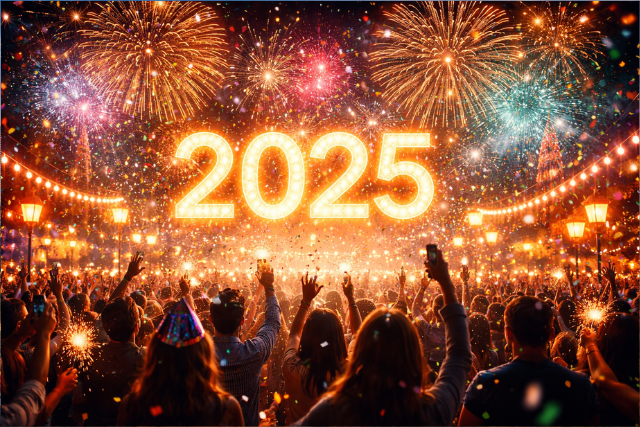
Festival New Year : Meaning, History, Dates, and Global Celebrations
Introduction
The Festival New Year is one of the most significant and widely recognised celebrations across the globe. It marks the beginning of a new annual cycle and represents renewal, hope, and fresh opportunities. While many countries welcome the New Year on 1 January, numerous cultures and religions follow different calendars, leading to a variety of New Year festivals throughout the year.
From public countdown events in major cities to spiritual rituals and family traditions, New Year festivals play a vital role in human society. This article explains what a Festival New Year is, why it is celebrated, when it begins, its historical background, and a global list of New Year festivals—all written for an international audience.
What Is a Festival New Year?
A Festival New Year is a cultural or religious event that celebrates the start of a new year according to a specific calendar system. These calendars may be:
-
Solar (based on the sun)
-
Lunar (based on the moon)
-
Lunisolar (a combination of both)
-
Seasonal or agricultural
Unlike a simple calendar change, New Year festivals often include meaningful traditions, ceremonies, and community gatherings. In many cultures, the New Year is believed to influence luck, prosperity, and success for the months ahead.
Why Do People Celebrate the New Year?
New Year celebrations exist in nearly every society because they fulfil important social, emotional, and cultural needs.
1. A Fresh Start
The New Year symbolises a new beginning. People use this time to reflect on past experiences and plan positive changes for the future.
2. Cultural and Religious Significance
Many New Year festivals are deeply connected to religion or cultural heritage, helping preserve traditions and strengthen identity.
3. Hope for the Future
Celebrating the New Year encourages optimism. It represents the chance to improve one’s life, health, career, and relationships.
4. Spiritual Reflection
In several traditions, the New Year is marked by prayer, meditation, fasting, or symbolic cleansing rituals.
5. Social Connection
New Year celebrations bring families, friends, and communities together, reinforcing unity and shared values.
When Does the New Year Begin?
The start date of the New Year depends on the calendar system used.
-
Gregorian Calendar: Begins on 1 January (used in the UK, US, Europe, and most of the world)
-
Lunar Calendar: Varies each year, usually between January and February
-
Solar Calendars: Often start in March or April
-
Religious Calendars: Follow historical or spiritual events
As a result, New Year festivals occur at different times throughout the year across the world.
History of the New Year Festival
Early Civilisations
The earliest known New Year celebrations date back thousands of years. Ancient societies linked the New Year to natural cycles, such as planting seasons, rainfall, and astronomical events.
Ancient Mesopotamia
One of the earliest recorded New Year festivals took place in Mesopotamia, where the New Year was celebrated during spring as a symbol of rebirth and renewal.
Roman Influence
In ancient Rome, the New Year originally began in March. Later, January became the first month, named after Janus, the god of beginnings and transitions.
Middle Ages
During medieval times, different regions in Europe celebrated the New Year on various dates, including March and religious feast days.
Modern Calendar Standardisation
With the widespread adoption of the Gregorian calendar, 1 January became the global civil New Year, although traditional and religious New Year festivals remain widely observed.
Global List of New Year Festivals
Below is a list of major New Year festivals celebrated around the world.
1. Gregorian New Year – 1 January
-
Celebrated globally
-
Based on the Gregorian calendar
-
Known for fireworks, public celebrations, and New Year resolutions
2. Lunar New Year
-
Celebrated in East and Southeast Asia
-
Occurs between late January and mid-February
-
Focuses on family gatherings and prosperity
3. Islamic New Year
-
Based on the Islamic lunar calendar
-
Marks the beginning of a new Hijri year
-
Observed with prayer and reflection
4. Jewish New Year (Rosh Hashanah)
-
Celebrated in early autumn
-
Focuses on self-reflection and renewal
5. Hindu New Year
-
Celebrated on different dates depending on region
-
Often falls in March or April
-
Closely linked to harvest cycles
6. Persian New Year (Nowruz)
-
Celebrated on the spring equinox
-
Symbolises renewal, balance, and nature
7. Thai New Year (Songkran)
-
Celebrated in April
-
Features water rituals representing cleansing
8. Vietnamese New Year (Tết)
-
Lunar-based celebration
-
Emphasises family, ancestors, and good fortune
9. Ethiopian New Year
-
Celebrated in September
-
Marks seasonal change and renewal
10. Tibetan New Year (Losar)
-
Celebrated between January and March
-
Includes religious ceremonies and cultural events
11. Balinese New Year (Nyepi)
-
Observed as a day of silence
-
Focuses on meditation and spiritual balance
12. Korean New Year (Seollal)
-
Lunar calendar celebration
-
Centred on family respect and tradition
13. Bengali New Year
-
Celebrated in April
-
Marks the solar calendar year
14. Cambodian New Year
-
Celebrated in April
-
Linked to agricultural cycles
15. Sinhalese and Tamil New Year
-
Celebrated in Sri Lanka
-
Based on astrological transitions
Common New Year Traditions Around the World
Although traditions differ, many cultures share similar New Year customs:
-
Cleaning homes to remove negative energy
-
Wearing new clothes to symbolise renewal
-
Preparing special foods believed to bring luck
-
Lighting candles, lamps, or fireworks
-
Making promises or goals for the coming year
These practices reflect a shared human desire for progress and happiness.
Importance of New Year Festivals Today
In modern society, New Year festivals continue to hold strong relevance. They provide an opportunity to:
-
Pause and reflect
-
Strengthen family and social connections
-
Set personal and professional goals
-
Celebrate cultural diversity
Despite technological advancement and globalisation, the meaning of the New Year remains deeply rooted in human tradition.
The Festival New Year is a universal celebration that transcends borders, languages, and beliefs. Whether observed on 1 January or another date, it represents renewal, hope, and the promise of a better future.
By understanding the history and diversity of New Year festivals, we gain greater appreciation for global cultures and shared human values. No matter where or how it is celebrated, the New Year remains a powerful symbol of new beginnings worldwide.