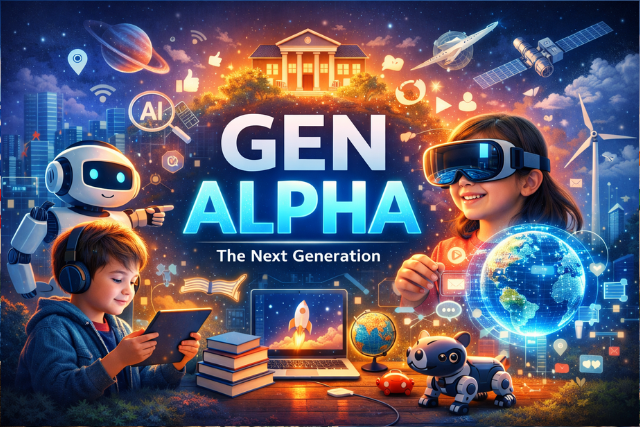
What Is Gen Alpha? A Complete History and Deep Explanation of Generation Alpha
Generation Alpha, commonly known as Gen Alpha, is the newest recognized generation shaping the future of the world. Born in a time of rapid technological growth, global uncertainty, and social transformation, Gen Alpha represents a major shift in how humans learn, communicate, and interact with society. This generation is already influencing education, parenting, technology design, and cultural values—even though most of its members are still children.
Understanding Gen Alpha is essential for parents, educators, businesses, and policymakers because this generation will soon grow into the workforce, leadership roles, and global decision-making positions.
This in-depth guide explains what Gen Alpha is, explores the history of the generation, and analyzes why it is fundamentally different from previous generations.
What Is Generation Alpha?
Generation Alpha refers to people born roughly from the early 2010s through the mid-2020s. While exact birth years vary slightly among researchers, Gen Alpha universally follows Generation Z and comes before the upcoming Generation Beta.
What makes Gen Alpha unique is not just its age range, but the environment into which its members were born. This is the first generation to grow up fully immersed in a digital world from birth. Touchscreens, artificial intelligence, voice assistants, and on-demand content are not innovations to Gen Alpha—they are normal parts of everyday life.
Unlike earlier generations that adapted to technology over time, Gen Alpha is native to advanced digital systems.
Why Is It Called Generation Alpha?
The name “Generation Alpha” marks a symbolic reset in generational naming. After reaching the end of the Latin alphabet with Generation Z, researchers chose to begin again using the Greek alphabet, starting with “Alpha,” which traditionally represents beginnings and origins.
This naming choice reflects the idea that Gen Alpha is not merely a continuation of past trends but the start of a new societal chapter. It also emphasizes that this generation is the first fully born in the 21st century, growing up in a world fundamentally different from the one their parents experienced as children
The Historical Background of Gen Alpha
A Generation Born Into a Digital World
The historical roots of Gen Alpha begin in the early 2010s, a period marked by smartphones becoming widespread, social media transforming communication, and cloud-based technologies reshaping information access.
By the time most Gen Alpha children were born:
-
Smartphones were already common
-
Internet access was widespread
-
Streaming replaced traditional television
-
Digital learning tools were entering classrooms
This technological baseline shaped Gen Alpha from infancy, influencing how they think, learn, and socialize.
Gen Alpha and the Millennial Parent Connection
Most members of Gen Alpha are children of Millennials, a generation that experienced the transition from analog childhoods to digital adulthood. This parental background significantly influences how Gen Alpha is raised.
Millennial parents tend to:
-
Emphasize emotional intelligence
-
Support personalized education
-
Be highly involved in child development
-
Use technology intentionally in parenting
This dynamic creates a generation raised with greater psychological awareness, more structured learning, and strong digital supervision compared to previous generations.
The Impact of Global Events
One of the defining historical experiences for Gen Alpha is growing up during major global disruptions. Events such as:
-
The COVID-19 pandemic
-
Widespread remote education
-
Economic uncertainty
-
Accelerating climate discussions
These events shaped Gen Alpha’s early childhood in ways unseen before. Many experienced virtual classrooms, online socialization, and restricted physical interaction at an early age, influencing their adaptability and resilience
Key Characteristics of Generation Alpha
1. Digital-First Thinking
Gen Alpha interacts with technology intuitively. Touch gestures, voice commands, and AI-powered systems feel natural rather than learned. This constant exposure is shaping:
-
Shorter feedback loops
-
Visual learning preferences
-
High adaptability to new interfaces
Technology is not a tool for Gen Alpha—it is an extension of their environment.
2. Personalized Learning from an Early Age
Traditional one-size-fits-all education is being replaced with customized learning experiences for Gen Alpha. Adaptive apps, interactive lessons, and AI-assisted education allow children to learn at their own pace.
As a result, Gen Alpha is expected to become:
-
Highly skilled in problem-solving
-
Comfortable with self-guided learning
-
Used to instant access to information
3. Global Awareness at a Young Age
Through digital exposure, Gen Alpha encounters global cultures, languages, and issues earlier than any generation before. Even young children are exposed to:
-
Multicultural content
-
Global environmental discussions
-
International communication platforms
This early global exposure may contribute to stronger cross-cultural understanding and collaboration later in life.
How Gen Alpha Differs from Generation Z
While Generation Z grew up alongside technology, Gen Alpha never experienced life without it. This difference has major implications.
| Aspect | Generation Z | Generation Alpha |
|---|---|---|
| Technology | Adapted to digital | Born into digital |
| Education | Hybrid learning | AI-assisted learning |
| Media | Social platforms | Interactive content |
| Communication | Text & video | Voice & immersive media |
This shift suggests Gen Alpha may think more visually, learn more interactively, and expect higher levels of personalization in all areas of life.
The Long-Term Significance of Gen Alpha
Economic and Workforce Influence
As Gen Alpha matures, it is expected to become one of the largest and most educated generations in history. Many analysts believe this generation will:
-
Enter jobs that do not yet exist
-
Work closely with artificial intelligence
-
Redefine productivity and creativity
Their early exposure to technology could give them unprecedented flexibility in adapting to future industries
Social and Cultural Impact
Gen Alpha is likely to reshape cultural norms related to:
-
Work-life balance
-
Education systems
-
Digital ethics
-
Environmental responsibility
Because they grow up seeing global challenges discussed openly online, Gen Alpha may develop a stronger sense of collective responsibility than previous generations.
Challenges Facing Generation Alpha
Despite its advantages, Gen Alpha also faces unique challenges:
-
Increased screen exposure
-
Reduced physical interaction
-
Information overload
-
Mental health concerns related to digital life
Balancing technological benefits with emotional and social well-being will be one of the defining tasks for families and institutions supporting this generation.
The Future of Generation Alpha
The oldest members of Gen Alpha will enter adulthood in the 2030s. By then, the world is expected to be more automated, more interconnected, and more complex than ever before.
Gen Alpha is positioned to:
-
Redefine education and work
-
Lead innovation in AI-driven fields
-
Influence global cultural trends
-
Shape ethical standards for technology use
Their success will depend not only on technology, but on how society supports healthy development, creativity, and human connection.
Generation Alpha is more than just a new age group—it represents a fundamental shift in human development. Born into a fully digital world, shaped by global events, and guided by tech-savvy parents, Gen Alpha is redefining what it means to grow up in the modern era.
Understanding the history and nature of Gen Alpha helps us prepare for a future shaped by this generation’s values, skills, and perspectives. As the first generation entirely of the 21st century, Gen Alpha stands at the beginning of a new human story—one driven by innovation, adaptability, and global awareness.