What is Alpha Generation?
A Complete Guide to the Youngest Generation
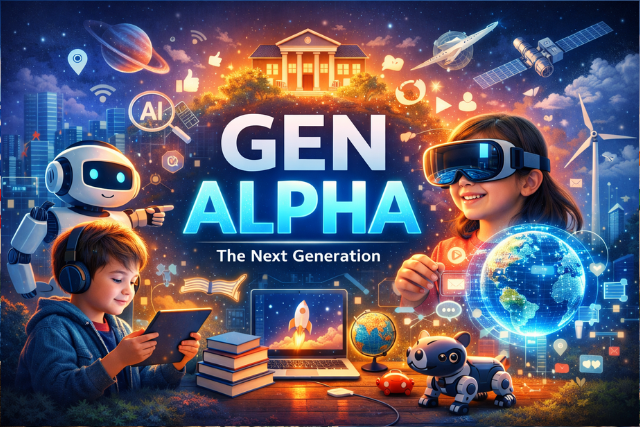
Generation Alpha is a term increasingly used by sociologists, educators, and marketers to describe the cohort of children born from 2010 onwards. As the first generation to grow up entirely in the 21st century, Generation Alpha is unique in its exposure to technology, education, and global culture from the earliest stages of life. Understanding this generation is crucial for parents, educators, and businesses who aim to connect with or support them effectively.
In this article, we will explore everything about Generation Alpha—from their defining characteristics to their anticipated impact on society, technology, and the global economy.
1. The Origins of the Term Generation Alpha
The term Generation Alpha was coined by social researcher Mark McCrindle to mark the start of a new generational cycle following Generation Z. Traditionally, generations are labeled with letters or culturally significant markers, and Generation Alpha represents a fresh beginning in the Greek alphabet.
The reasoning behind this name also signifies that this generation is expected to reshape social norms, technology use, and education, establishing patterns unlike any generation before them.
2. Age Range of Generation Alpha
As of 2026, Generation Alpha includes children aged roughly 0 to 16 years old, with the earliest members currently in their mid-teens. This age range is significant because it marks both early childhood development and adolescence, key stages for shaping habits, values, and technological preferences.
This generation follows Generation Z (born approximately 1997–2012) and precedes what might be termed Generation Beta, starting around 2025–2030.
3. Key Characteristics of Generation Alpha
Generation Alpha is unlike any previous generation due to its constant exposure to technology, digital learning, and global connectivity. The following are some of their defining characteristics:
a) Digital Natives from Birth
While Generation Z grew up alongside technology, Generation Alpha is immersed in it from day one. Smartphones, tablets, and AI-driven educational apps are common in their homes, influencing how they learn, socialize, and entertain themselves.
b) Highly Educated and Informed
Access to digital resources means Generation Alpha is likely to be the most educated generation in history. Children are now using AI tutors, virtual classrooms, and interactive learning tools, leading to earlier development of critical thinking and problem-solving skills.
c) Socially Conscious
Despite their young age, Generation Alpha is growing up in a world focused on climate change, diversity, and social equity. They are likely to inherit strong values around inclusivity and sustainability, shaping their future decisions as consumers, voters, and global citizens.
d) Entrepreneurial Mindset
Exposure to digital platforms and social media encourages creativity and innovation. Many Generation Alpha children are experimenting with coding, content creation, and online business ventures from a young age, showing early entrepreneurial tendencies.
4. Generation Alpha and Technology
Technology is the cornerstone of Generation Alpha’s upbringing. Their interaction with technology influences their behavior, education, and social life in unprecedented ways.
a) AI and Virtual Assistants
From smart speakers to AI-powered apps, Generation Alpha interacts with technology intuitively, often understanding devices faster than older generations. This early exposure shapes their problem-solving skills and expectations for instant solutions.
b) Screen Time and Media Consumption
Unlike previous generations, Generation Alpha consumes media primarily through digital platforms rather than traditional TV. Streaming services, educational apps, and interactive games dominate their daily routines.
c) Gamification in Learning
Education for Generation Alpha is increasingly gamified. Learning apps, virtual simulations, and coding games are making education interactive and enjoyable, fostering critical thinking and digital literacy simultaneously.
5. Education Trends for Generation Alpha
Education for Generation Alpha differs significantly from that of previous generations. Schools are adopting technology-integrated classrooms, focusing on skills like coding, robotics, and digital collaboration.
Some notable trends include:
-
Personalized Learning: AI-driven platforms tailor education to individual strengths and weaknesses, allowing children to learn at their own pace.
-
Collaborative Tools: Cloud-based tools encourage teamwork and global collaboration, even for young children.
-
Focus on Emotional Intelligence: Schools are recognizing the importance of emotional learning alongside academic skills, helping Generation Alpha manage stress and develop social skills.
6. Social and Family Dynamics
Generation Alpha is growing up in smaller families compared to previous generations, often with more involved parents and caregivers. Parenting styles are evolving to adapt to technology and education trends, emphasizing both digital literacy and emotional intelligence.
Additionally, Generation Alpha children are highly connected with peers online, forming friendships and social networks through gaming, social media, and online learning platforms. This connectivity is shaping their values, communication styles, and sense of global community.
7. Consumer Behavior of Generation Alpha
Even though Generation Alpha is still young, their influence as consumers is substantial. They shape family purchases, particularly in technology, entertainment, and fashion.
-
Tech-Savvy Choices: Generation Alpha is more likely to prefer devices and apps that are intuitive, visually engaging, and interactive.
-
Brand Awareness: Early exposure to social media and marketing has increased their awareness of brands and trends.
-
Sustainability Matters: They often favor brands and products that reflect eco-friendly and ethical practices, a trend likely to grow as they age.
8. Challenges Facing Generation Alpha
Despite the advantages of growing up in a connected world, Generation Alpha faces unique challenges:
a) Screen Addiction
Excessive screen time may impact attention span, sleep patterns, and physical health, requiring careful management by parents and educators.
b) Mental Health Concerns
Exposure to social media and online pressures can contribute to anxiety, depression, and low self-esteem. Early awareness and supportive environments are essential.
c) Rapid Technological Change
Constant exposure to evolving technology means Generation Alpha must adapt quickly, potentially causing skill gaps and social pressures in the future workforce.
9. Generation Alpha’s Future Impact
As Generation Alpha matures, their impact on society, business, and culture is expected to be transformative. Some potential areas of influence include:
a) Workforce Transformation
Generation Alpha will enter the workforce equipped with digital-first skills, including AI literacy, coding, and virtual collaboration. This could redefine traditional job roles and industries.
b) Innovation and Entrepreneurship
With early exposure to digital tools, Generation Alpha is poised to drive innovation in technology, education, and sustainability, potentially creating startups and solutions unimaginable today.
c) Cultural Shifts
Generation Alpha’s values around diversity, inclusion, and environmental responsibility may shift societal norms, influencing global policies, consumer behavior, and community engagement.
10. How Parents and Educators Can Support Generation Alpha
Supporting Generation Alpha requires a balance between embracing technology and nurturing essential life skills:
-
Promote Balanced Screen Time: Encourage offline activities like sports, art, and outdoor play.
-
Foster Critical Thinking: Provide opportunities for problem-solving, creativity, and independent learning.
-
Prioritize Emotional Intelligence: Teach empathy, communication, and stress management.
-
Guide Digital Citizenship: Educate children about safe and responsible online behavior.
-
Encourage Lifelong Learning: Introduce AI tools, coding platforms, and educational apps to cultivate curiosity.
11. Generation Alpha in Pop Culture and Media
Generation Alpha is increasingly visible in media, with entertainment tailored to their preferences:
-
Streaming Platforms: They prefer on-demand content over traditional TV, enjoying interactive shows, animation, and kid-friendly YouTube channels.
-
Gaming Communities: Online games, esports, and virtual worlds are central to social interaction.
-
Influencers and Digital Celebrities: Many young children follow digital personalities, shaping trends and interests from a very young age.
12. Comparing Generation Alpha with Previous Generations
| Aspect | Generation Alpha | Generation Z | Millennials |
|---|---|---|---|
| Technology Exposure | From birth | Adolescence | Teen years |
| Education | Digital-first, gamified | Hybrid | Traditional + early digital |
| Social Interaction | Online & offline | Online & offline | Mostly offline growing up |
| Consumer Influence | Early, tech-driven | Moderate | Gradually |
| Values | Sustainability, inclusivity | Awareness, flexibility | Career-driven, self-expression |
This comparison highlights that Generation Alpha is uniquely shaped by technology and global connectivity, making them distinct from prior generations.
13. Predictions for Generation Alpha
Experts suggest several trends for Generation Alpha as they grow into adulthood:
-
Highly Skilled Workforce: Proficiency in AI, robotics, and digital collaboration.
-
Socially and Environmentally Conscious: Likely to champion climate action, diversity, and equality.
-
Shorter Attention Spans: Due to constant digital stimuli, requiring innovative teaching and work environments.
-
Increased Longevity: Access to advanced healthcare and wellness technology may make them the healthiest generation yet.
Generation Alpha represents the future of society, combining unparalleled access to technology with growing awareness of social and environmental issues. Understanding their characteristics, challenges, and potential is essential for parents, educators, and businesses.
As the first generation fully raised in a digitally connected world, Generation Alpha will likely reshape education, work, entertainment, and culture in ways previous generations could only imagine. By nurturing their talents and guiding their interactions with technology, society can prepare them to thrive in an ever-changing world.
Generation Alpha is not just the next generation—they are the generation that defines the future.