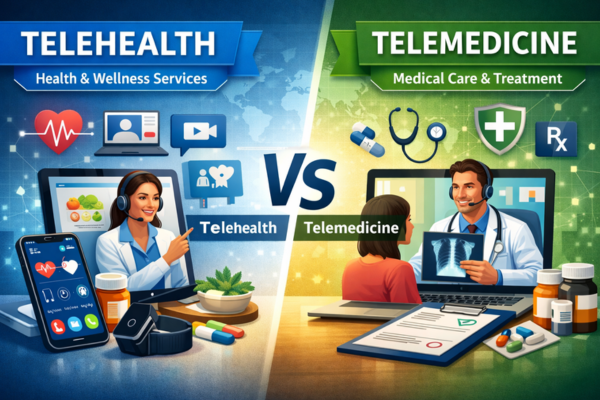
Telehealth vs Telemedicine: What’s the Difference?
Healthcare technology is evolving rapidly — and two terms you’ve likely encountered in recent years are telehealth and telemedicine. At first glance, these words might seem interchangeable, but they are not exactly the same thing. Understanding the difference is important for patients, providers, and anyone researching modern healthcare trends.
In this guide, we’ll explain:
-
What telehealth and telemedicine each mean
-
How they overlap
-
Key differences and examples
-
Benefits and limitations
-
Why the distinction matters
Let’s begin by defining both terms in a way that’s easy to understand.
What Is Telemedicine?
Telemedicine refers specifically to remote clinical services — meaning healthcare interactions between clinicians and patients using digital communication tools. The goal is to diagnose, treat, or monitor medical conditions without requiring the patient to visit a clinic or hospital in person.
Core Features of Telemedicine
Telemedicine generally involves:
-
Live video appointments between doctor and patient
-
Remote diagnosis of illnesses or symptoms
-
Prescriptions and medication management
-
Monitoring of ongoing conditions, such as diabetes or hypertension
In essence, telemedicine replaces traditional office visits with virtual visits.
Examples of Telemedicine
-
A doctor examines a rash over video chat
-
A psychiatrist conducts an online therapy session
-
A specialist reviews X-rays sent by a local clinic
-
A physician adjusts medication after a phone consultation
Telemedicine is all about clinical care delivered remotely.
What Is Telehealth?
Telehealth, by contrast, refers to a much wider and more inclusive approach to delivering healthcare services. It includes telemedicine but also extends to many non-clinical healthcare services delivered through technology.
Telehealth encompasses:
-
Virtual clinical care (telemedicine)
-
Health education and training
-
Remote administrative meetings
-
Patient education tools
-
Mobile health apps
-
Digital tracking of wellness data
Examples of Telehealth
-
A webinar teaching healthy eating habits
-
An app that tracks your heart rate and reminds you to take medication
-
A nurse consulting about preventive care via messaging
-
Online health seminars for chronic disease management
Telehealth covers any health service delivered using technology, whether clinical or educational.
Telehealth vs Telemedicine: The Main Distinction
| Feature | Telemedicine | Telehealth |
|---|---|---|
| Clinical care (diagnoses & treatment) | ✔️ | ✔️ (as part of telemedicine) |
| Non-clinical services (education, administration) | ❌ | ✔️ |
| Technology use | Yes | Yes |
| Includes virtual patient visits | Yes | Yes |
| Includes health coaching & apps | No | Yes |
In short:
Telemedicine is a subset of telehealth.
Telehealth includes telemedicine plus other digital health activities.
Why the Confusion Exists
Many people use “telehealth” and “telemedicine” interchangeably because both involve healthcare delivered through digital tools. However, professionals — including healthcare systems, insurers, and researchers — use them distinctly to organize programs and measure outcomes.
Think of telemedicine as one type of telehealth service.
Types of Technology Used in Telehealth and Telemedicine
Both telehealth and telemedicine rely on modern communication and data systems. Here are the most common technologies:
1. Video Conferencing Software
Used for live virtual visits between patients and providers.
2. Mobile Health Apps
Track fitness, symptom patterns, medication reminders, and wellness goals.
3. Messaging and Secure Email
Allows questions, follow-ups, and educational updates without real-time interaction.
4. Wearable Devices
Tools like smartwatches and glucose monitors send health data directly to providers.
5. Remote Patient Monitoring (RPM) Tools
Collect data on blood pressure, heart rate, oxygen levels, etc., for chronic care management.
6. Electronic Health Records (EHR)
Systems that store and share patient information across providers securely.
These technologies support not only medical treatment but also preventive care, education, and administrative efficiency.
Benefits of Telehealth and Telemedicine
Both telehealth and telemedicine provide advantages for patients and healthcare systems. Let’s explore the main benefits:
1. Improved Access to Care
Patients in rural or underserved areas can connect with specialists and doctors without long travel.
2. Convenience
No commuting or waiting rooms — you can attend appointments from home or work.
3. Cost Savings
Telemedicine often costs less than in-person visits, and telehealth tools can reduce expensive hospital readmissions.
4. Better Chronic Disease Management
Remote monitoring tools help patients and providers track conditions like diabetes more effectively.
5. Increased Engagement in Health
Telehealth apps and education resources empower people to take charge of wellness.
6. Reduced Risk of Infection
Virtual visits minimize exposure to contagious illnesses — especially important during outbreaks or flu season.
These benefits make telehealth and telemedicine attractive options for many healthcare needs.
Limitations and Challenges
Despite their advantages, telemedicine and telehealth face certain limitations:
1. Technology Access
Not all patients have reliable internet or compatible devices.
2. Scope of Care
Some conditions still require in-person exams, tests, or procedures.
3. Privacy Concerns
Handling sensitive health data online requires strong security protocols.
4. Licensing and Regulations
Doctors may need special licensing to treat patients across state or national borders.
5. Reimbursement Issues
Insurance coverage for virtual care varies by provider and location.
Understanding these challenges helps set realistic expectations for telehealth services.
How Telehealth Is Used Beyond Clinical Care
Telehealth does more than connect patients with doctors online. It’s also used for:
Health Education
-
Online classes about nutrition, smoking cessation, or mental well-being
-
Workshops on managing chronic diseases
Professional Training
-
Remote training for medical staff
-
Continuing education webinars for nurses and physicians
Healthcare Administration
-
Virtual staff meetings
-
Scheduling and care coordination tools
Patient Support Tools
-
Apps for tracking medication adherence
-
Chatbots that answer basic health questions
These additional uses make telehealth a powerful tool for promoting overall health.
Telemedicine Use Cases: Real-Life Examples
Understanding how telemedicine works in real settings makes the concept easier to grasp:
1. Routine Check-Ins
A patient with high blood pressure checks in with their physician monthly via video call.
2. Follow-Up After Surgery
Instead of revisiting the clinic for a short follow-up, a surgeon reviews healing progress through a virtual visit.
3. Mental Health Counseling
A therapist provides weekly sessions online for anxiety or depression management.
4. Urgent Care Triage
A nurse or doctor assesses symptoms via app or video to advise on next steps.
These examples show how telemedicine expands access while maintaining quality care.
Telehealth Tools That Support Healthier Living
Telehealth includes tools that help people stay healthy outside of doctor visits. Here’s how:
Mobile Wellness Apps
Track steps, sleep patterns, nutrition, heart rate, and stress — making it easier to set goals and monitor progress.
Health Education Platforms
Provide videos, articles, and interactive guides on topics like fitness, chronic disease awareness, or preventive screenings.
Automated Reminders
Push notifications help patients remember medications, immunizations, or upcoming appointments.
These technologies transform healthcare from reactive to proactive.
Who Uses Telehealth and Telemedicine?
Both services are shaping modern healthcare for a wide range of users:
Patients
From children to seniors, telehealth expands access to care at various life stages.
Healthcare Providers
Doctors, nurses, therapists, and specialists use digital tools to serve more patients efficiently.
Hospitals and Clinics
Healthcare systems implement telehealth services to streamline operations and reduce costs.
Employers and Insurers
Many workplaces and insurance plans now offer telehealth options to improve member health.
With broad adoption across sectors, digital healthcare is becoming a standard part of wellness.
How Insurance Covers Telemedicine and Telehealth
Healthcare coverage for telemedicine and telehealth has grown significantly.
In many regions:
-
Virtual doctor visits are reimbursed similarly to in-person appointments
-
Telehealth platforms may be included in employer health plans
-
Remote monitoring tools can be covered for chronic disease care
However, coverage differs by provider and region, so it’s important to verify eligibility with your insurer before using services.
This growing support makes telemedicine more affordable and accessible.
Telehealth and Telemedicine Trends
Digital healthcare continues to evolve rapidly. Some emerging trends include:
1. Integration with Artificial Intelligence (AI)
AI tools help analyze health data, assist in diagnosis, or support personalized care plans.
2. Expanded Remote Monitoring
Wearables and home devices send real-time data to clinicians, improving chronic disease management.
3. Virtual Reality (VR) for Therapy
VR technology is starting to support pain management and stress reduction.
4. Chatbots for Basic Care
Smart chatbots provide initial symptom assessments or health information.
5. More Personalized Health Journeys
Technology enables tailored care plans based on individual habits and conditions.
These trends point toward even more powerful digital health solutions in the future.
Choosing Between Telehealth and In-Person Care
When should you choose virtual care over a traditional visit? Here are some general guidelines:
Choose Telemedicine When:
-
The issue can be evaluated visually or by discussion
-
You need a follow-up or medication adjustment
-
You don’t require lab tests or physical procedures
Choose In-Person Care When:
-
A physical exam is needed
-
Diagnostic tests (like bloodwork, imaging) are required
-
You’re experiencing a medical emergency
Both options complement traditional care — the right choice depends on your situation.