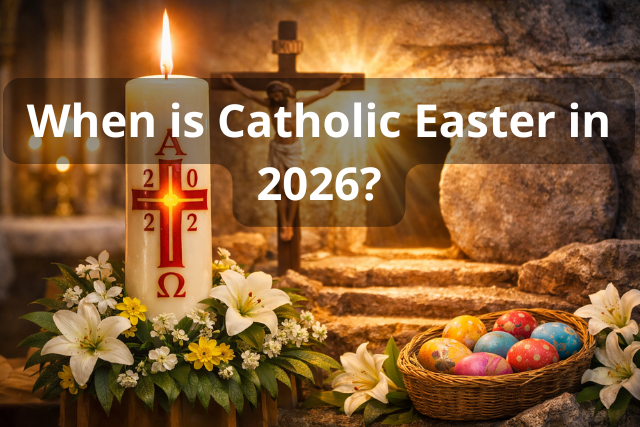
When is Easter of Catholic Christians in 2026?
Catholic Easter is the most sacred and joyful event in the Christian calendar. Every year, millions of Catholics around the world prepare spiritually and culturally for this powerful celebration that marks the heart of Christian faith: the resurrection of Jesus Christ. Because Easter does not fall on a fixed date, many people search in advance to find out when Catholic Easter will be celebrated in 2026 and how Catholics observe this holy season.
This detailed guide explains the Catholic Easter date in 2026, the spiritual meaning behind the celebration, and the traditional ways Catholics around the world commemorate Easter—from Holy Week rituals to Easter Sunday customs.
When Is Catholic Easter in 2026?
Catholic Easter in 2026 will be celebrated on Sunday, April 5, 2026
The Catholic Church follows the Gregorian calendar, which is why Catholic Easter often differs from Orthodox Easter. Easter Sunday is determined using a traditional formula established in early Christianity: it falls on the first Sunday after the first full moon following the spring equinox. Because lunar cycles change each year, the date of Easter moves annually, usually occurring between late March and late April.
In 2026, this calculation places Catholic Easter on April 5, a date that will be observed by Roman Catholics and most Western Christian denominations worldwide.
Why Is Easter the Most Important Catholic Celebration?
For Catholics, Easter is not simply a holiday—it is the foundation of Christian belief. Easter commemorates the resurrection of Jesus Christ from the dead, an event that confirms Christian teachings about salvation, hope, and eternal life.
While Christmas celebrates the birth of Christ, Easter celebrates His victory over death. According to Catholic theology, without the resurrection, Christianity would lose its meaning. This is why Easter is considered more important than any other feast day in the Church year.
The Spiritual Preparation for Easter: Lent
Catholic Easter is preceded by Lent, a 40-day period of spiritual preparation that begins on Ash Wednesday and ends just before Easter. Lent symbolizes Jesus’ forty days of fasting in the desert and invites Catholics to reflect on their faith through:
-
Prayer
-
Fasting
-
Acts of charity
-
Repentance
During Lent, Catholics are encouraged to simplify their lives, give up certain comforts, and focus more deeply on their relationship with God. This season prepares both the heart and mind for the joy of Easter.
Holy Week: The Heart of the Easter Season
The most intense and meaningful days leading up to Easter occur during Holy Week, which begins on Palm Sunday and ends on Easter Sunday.
Palm Sunday
Palm Sunday marks Jesus’ entry into Jerusalem, where crowds welcomed Him with palm branches. Catholics attend Mass carrying blessed palm leaves, which are often kept at home as symbols of faith and protection.
Holy Thursday
Holy Thursday commemorates the Last Supper, when Jesus shared bread and wine with His disciples and instituted the Eucharist. Many churches hold an evening Mass, and in some parishes, the priest reenacts Jesus washing the feet of His disciples as a sign of humility and service.
Good Friday
Good Friday is a solemn day that remembers the crucifixion and death of Jesus. No Eucharistic service is held on this day. Instead, Catholics participate in prayer services, readings from Scripture, and the veneration of the cross. Fasting and abstinence are commonly practiced.
Holy Saturday
Holy Saturday is a quiet, reflective day symbolizing Jesus’ time in the tomb. During the evening, the Church celebrates the Easter Vigil, the most significant liturgy of the year.
The Easter Vigil: A Night of Light and Renewal
The Easter Vigil takes place after sunset on Holy Saturday and officially begins the celebration of Easter. It includes several powerful elements:
-
-
Readings that trace salvation history
-
Blessing of baptismal water
-
Baptisms and confirmations of new Catholics
-
Celebration of the Eucharist
For many Catholics, attending the Easter Vigil is a deeply moving experience that captures the transition from darkness to light.
Easter Sunday: Celebrating the Resurrection
On Easter Sunday, Catholics celebrate the resurrection of Jesus with joy and gratitude. Churches are decorated with flowers, bells ring again after the silence of Good Friday, and joyful hymns fill the air.
Mass on Easter Sunday focuses on the message of hope, renewal, and victory over sin and death. Families often attend church together, followed by festive meals and gatherings.
How Catholics Celebrate Easter Around the World
While the spiritual meaning of Easter is universal, cultural traditions vary widely from country to country.
Family Gatherings and Festive Meals
In many Catholic households, Easter Sunday includes a special meal shared with family. Traditional foods may include bread, lamb, eggs, and sweets, symbolizing life and renewal.
Easter Eggs
Eggs are a common Easter symbol representing new life and resurrection. In some cultures, eggs are decorated, blessed at church, or exchanged as gifts.
Processions and Public Celebrations
In countries such as Spain, Italy, and parts of Latin America, Easter is marked by large public processions featuring religious statues, music, and reenactments of biblical scenes.
Easter Symbols in Catholic Tradition
Catholic Easter celebrations are rich in symbolism, each element carrying spiritual meaning:
-
The Cross – reminds believers of Christ’s sacrifice
-
The Empty Tomb – symbolizes resurrection and hope
-
The Paschal Candle – represents Christ as the light overcoming darkness
-
White and Gold Colors – express joy, purity, and triumph
These symbols appear in churches, homes, and public spaces throughout the Easter season.
The Easter Season Continues Beyond One Day
Unlike many holidays, Catholic Easter is not limited to a single Sunday. The Church celebrates Easter for 50 days, ending with Pentecost, which commemorates the descent of the Holy Spirit upon the apostles.
During this time, Catholics continue to pray, celebrate, and reflect on the meaning of the resurrection in their daily lives.
Why the Date of Catholic Easter Changes Every Year
Many people wonder why Easter does not have a fixed date. The reason lies in the Church’s use of both solar and lunar cycles. Easter is tied to the spring equinox and the full moon, reflecting ancient Jewish traditions connected to Passover.
This system ensures Easter remains connected to the themes of rebirth and renewal associated with spring.
Catholic Easter vs Orthodox Easter
In 2026, Catholic Easter will be celebrated earlier than Orthodox Easter because the two traditions use different calendar systems. Catholics follow the Gregorian calendar, while Orthodox Christians rely on the Julian calendar. As a result, Easter dates often differ, even though the meaning remains the same.
The Message of Catholic Easter in Modern Life
Beyond rituals and traditions, Catholic Easter carries a timeless message. It invites believers to embrace hope during difficult times, believe in renewal after hardship, and trust in the promise of new life.
For many Catholics, Easter is a reminder that suffering is not the end and that faith offers light even in the darkest moments.
Final Thoughts: Catholic Easter 2026
Catholic Easter in 2026 will be celebrated on Sunday, April 5, bringing together millions of believers in prayer, joy, and reflection . From the quiet preparation of Lent to the triumphant joy of Easter Sunday, this sacred season remains the cornerstone of Catholic faith.
Whether observed through solemn church services, family traditions, or personal reflection, Easter continues to inspire Catholics around the world with its powerful message of resurrection, hope, and everlasting life.