What Is Ramadan?
Ramadan overview 2026
Ramadan is one of the most significant and spiritually powerful months in the Islamic calendar. Observed by Muslims across the world, it is a time devoted to faith, discipline, self-reflection, and compassion. During this sacred period, daily routines change, communities come closer together, and spiritual awareness takes priority over worldly distractions.
This guide explains what Ramadan is, what people do during Ramadan, and when Ramadan will begin in 2026, in a clear and easy-to-understand way.
What Is Ramadan?
Ramadan is the ninth month of the Islamic (Hijri) lunar calendar. Its importance comes from the belief that this was the month in which the Qur’an was first revealed to the Prophet Muhammad (peace be upon him). Because of this, Ramadan is regarded as a time of heightened spirituality, worship, and moral awareness.
Unlike the Gregorian calendar, the Islamic calendar follows the cycles of the moon, which means Ramadan begins about 10–11 days earlier each year. The exact start date depends on the physical sighting of the new crescent moon, which may vary by country or region.
At its core, Ramadan teaches patience, gratitude, humility, and empathy—especially toward those who struggle with hunger, poverty, or hardship.
Why Is Ramadan Important in Islam?
Ramadan holds a central place in Islam as it forms part of the five essential religious duties that structure a Muslim’s worship and faith. Observing Ramadan is considered a religious obligation for adult Muslims who are physically and mentally able.
The importance of Ramadan lies in several key aspects:
-
It strengthens a person’s relationship with God
-
It encourages self-control and moral discipline
-
It promotes charity and generosity
-
It builds empathy for the less fortunate
-
It unites families and communities through shared rituals
Ramadan is not only about avoiding food and drink; it is about improving character, intentions, and behavior.
What Do People Do During Ramadan?
1. Fasting From Dawn to Sunset
The most well-known practice of Ramadan is fasting, known as sawm. From the first light of morning prayer until the evening call to prayer, Muslims refrain from specific activities:
-
Food
-
Drink (including water)
-
Smoking
-
Intimate relations
Fasting is meant to cultivate self-discipline and mindfulness. It reminds people to control their desires and focus on spiritual growth.
Children, the elderly, pregnant or nursing women, travelers, and people with medical conditions are generally exempt, with alternative acts such as charity encouraged instead.
2. Suhoor: The Pre-Dawn Meal
Before fasting begins each day, Muslims eat suhoor, a light meal consumed before dawn. This meal is considered blessed and helps provide energy for the day ahead.
Typical suhoor foods include:
-
Whole grains
-
Eggs
-
Yogurt
-
Fruits
-
Water-rich foods
Hydration during suhoor is especially important since no water is consumed during fasting hours.
3. Iftar: Breaking the Fast
At sunset, the fast is broken with iftar, often starting with dates and water, following the tradition of the Prophet Muhammad.
Iftar is commonly shared with family, friends, neighbors, or even strangers. In many cultures, mosques and charitable organizations host free communal iftar meals, reinforcing the spirit of generosity.
4. Increased Prayer and Worship
Ramadan is a time of intensified worship. In addition to the five daily prayers, Muslims often:
-
Perform Tarawih prayers at night
-
Read and reflect on the Qur’an
-
Engage in personal supplication (dua)
-
Spend time in quiet reflection
A large number of believers set a personal goal to complete a full reading of the Qur’an over the course of the month.
5. Charity and Helping Others
Charity plays a central role during Ramadan. Acts of kindness are believed to carry greater spiritual reward during this month.
Common charitable practices include:
-
Giving Zakat (mandatory almsgiving)
-
Offering Sadaqah (voluntary charity)
-
Donating food, clothes, or money
-
Helping neighbors or community members
Many Muslims make a special effort to support those in need during Ramadan.
6. Practicing Good Character
Ramadan emphasizes ethical behavior. Muslims are encouraged to:
-
Avoid anger and arguments
-
Speak kindly
-
Be patient and forgiving
-
Avoid gossip and negative speech
The goal is to purify not only the body, but also the heart and mind.
7. Laylat al-Qadr: The Night of Power
One of the most spiritually significant moments of Ramadan is Laylat al-Qadr, believed to fall within the last ten nights of the month, often on an odd-numbered night.
This night commemorates the first revelation of the Qur’an and is described as better than a thousand months in spiritual value. During these nights, countless Muslims devote their time to heartfelt prayers, deep contemplation, and acts of devotion.
How Long Does Ramadan Last?
Ramadan lasts 29 or 30 days, depending on the lunar cycle and moon sighting. Once the new moon of the following month (Shawwal) is sighted, Ramadan ends.
The conclusion of Ramadan is marked by the joyful celebration of Eid al-Fitr, a major Islamic festival.
When Will Ramadan Start in 2026?
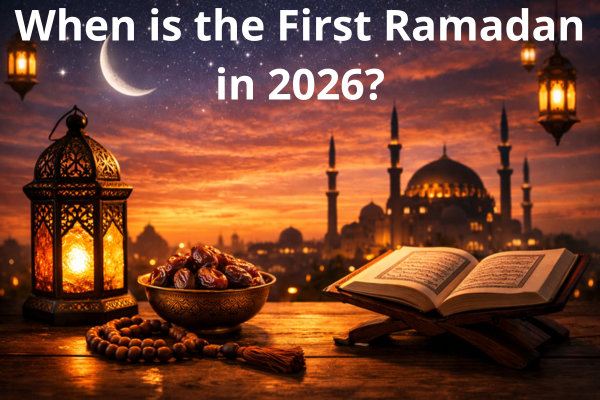
In 2026, Ramadan is expected to begin in mid-February, depending on the sighting of the crescent moon.
Based on current astronomical calculations and global moon-sighting expectations:
-
Ramadan in 2026 is anticipated to commence after sunset on Wednesday, 18 February 2026.
-
The first day of fasting is likely Thursday, 19 February 2026
-
Ramadan is expected to end around 19–20 March 2026
However, it is important to note that the exact start date may vary by country, as some regions rely on local moon sightings while others follow global observations
Why the Start Date of Ramadan Can Differ by Country
Because Ramadan follows a lunar calendar, its start depends on actual moon visibility, not fixed dates. Factors that influence differences include:
-
Weather conditions
-
Geographic location
-
Local religious authorities
-
Different moon-sighting methodologies
As a result, some countries may begin Ramadan one day earlier or later than others.
How Daily Life Changes During Ramadan
During Ramadan, daily life shifts noticeably in many Muslim-majority and multicultural countries:
-
Work and school hours may be adjusted
-
Restaurants may close during daylight hours
-
Nightlife becomes more active after sunset
-
Mosques see increased attendance
-
Families gather more frequently in the evenings
Even in non-Muslim countries, Ramadan often brings greater cultural awareness and interfaith understanding.
The End of Ramadan: Eid al-Fitr
Ramadan concludes with Eid al-Fitr, known as the “Festival of Breaking the Fast.” It is a joyful celebration marked by:
-
Special morning prayers
-
New clothes
-
Family visits
-
Gift-giving
-
Charity for the poor
Eid al-Fitr is a time of gratitude, forgiveness, and celebration after a month of dedication and discipline.
Ramadan is far more than a period of fasting—it is a month of spiritual renewal, self-improvement, and compassion. Through fasting, prayer, charity, and mindful living, Muslims seek to strengthen their faith and improve their character.
In 2026, Ramadan is expected to begin around 18–19 February, reminding believers once again of the rhythm of the lunar calendar and the timeless values of patience, generosity, and gratitude.
Whether observed religiously or understood culturally, Ramadan remains one of the most meaningful and unifying traditions in the Muslim world.