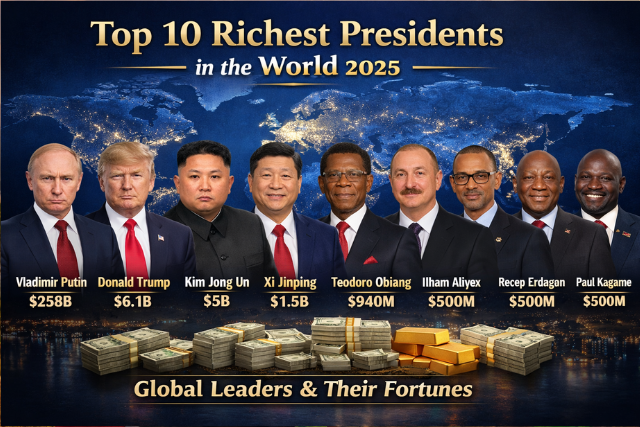
Top 10 Richest Presidents in the World in 2025
In 2025, some of the world’s most powerful political leaders are also among its wealthiest individuals. While most presidents earn a salary for leading their nations, a select few have accumulated substantial personal wealth through investments, business ventures, inheritances, and stakes in state resources.
Understanding who the richest presidents in the world are offers more than just monetary fascination. It opens a window into global politics, the intersection of power and private wealth, and how influence extends beyond policy into the personal financial sphere.
In this article, we explore the top 10 richest presidents in the world as of 2025, providing details about their estimated net worth, the sources of their wealth, and insights into how they built and sustained their financial positions.
What Determines a President’s Wealth?
When ranking the wealthiest presidents, it’s important to understand that:
-
Official salaries are often minimal compared with total net worth.
-
A significant amount of wealth may come from private business holdings, family assets, or control over national resources.
-
For some leaders, wealth estimates are controversial or based on indirect sources, especially when transparency is limited.
Although precise figures can vary, analysts compile estimates from public records, investigative research, and credible reporting to create these rankings.
1. Vladimir Putin – Russia (Estimated Net Worth: ~$258 Billion)
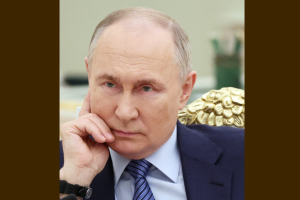
President of Russia, Vladimir Putin ranks at the top of the richest presidents in the world in 2025. Analysts estimate his personal wealth to be around $258 billion, making him the wealthiest serving head of state this year. Putin’s wealth is tied broadly to Russia’s substantial natural resource sector, especially oil and gas, as well as long-standing influence over state-linked enterprises.
Putin has maintained political control and significant economic influence for decades. While official salary disclosures for Russian presidents are modest, independent wealth assessments suggest that he indirectly controls vast holdings, particularly in energy and strategic industries.
Why this matters: Putin’s financial status highlights the blurred line between political power and economic control in resource-rich nations.
2. Donald Trump – United States (Estimated Net Worth: ~$6.1 Billion)
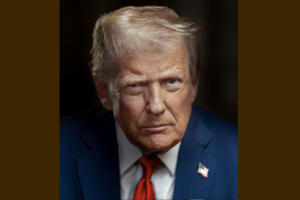
Although sometimes controversial, Donald Trump, current President of the United States in 2025, stands as one of the richest leaders globally. Estimates place his net worth at roughly $6.1 billion — a figure that has shifted over time due to business performance and asset valuation.
Trump’s wealth originates from decades in real estate development, branding deals, television media, and licensing. Before entering politics, he was known internationally as a real estate mogul with luxury properties, golf resorts, and a global brand.
Key Wealth Sources:
-
Skyscrapers and real estate holdings
-
Licensing agreements and brand partnerships
-
Golf courses and resort properties
Trump’s presence on this list emphasizes how business acumen, even for those who transition into political office, can lead to significant personal wealth.
3. Kim Jong Un – North Korea (Estimated Net Worth: ~$5 Billion)
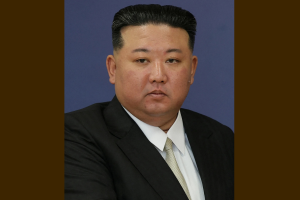
Kim Jong Un, the Supreme Leader of North Korea, is among the wealthiest presidents worldwide, with an estimated worth of around $5 billion.
This figure may seem surprising given North Korea’s overall economic challenges. However, Kim’s wealth stems from decades of family control over state assets, access to elite resources, and opaque financial systems that funnel national wealth into personal networks.
Wealth Considerations:
-
Control of state resources
-
Access to exclusive trade and illicit networks
-
Longstanding family regime wealth accumulation
Due to limited transparency from North Korea, precise net worth figures are debated, but analysts agree Kim remains one of the more financially powerful presidents.
4. Xi Jinping – China (Estimated Net Worth: ~$1.5 Billion)
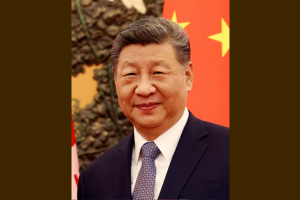
China’s President Xi Jinping appears in the top wealth rankings with an estimated net worth of $1.5 billion. As the leader of the world’s second-largest economy, Xi’s influence is profound, though exact personal finances are subject to government confidentiality.
Xi’s financial status likely reflects a combination of government position access, family investments, and influence over economic policy. China’s leadership structure is unique — high-ranking officials often have indirect ties to extensive business interests without publicly disclosed financial portfolios.
Why he ranks here: The scale and scope of China’s economy and political system give Xi substantial indirect financial connections despite limited transparency.
5. Teodoro Obiang Nguema Mbasogo – Equatorial Guinea (Estimated Net Worth: ~$940 Million)
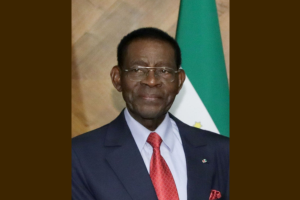
The President of Equatorial Guinea, Teodoro Obiang Nguema Mbasogo, has an estimated net worth of approximately $940 million, making him one of the richest African presidents in 2025.
Obiang’s long tenure has been marked by control over oil revenues and state economic structures. Though his wealth has attracted scrutiny due to widespread inequality in Equatorial Guinea, it represents significant national resource access.
Primary Wealth Drivers:
-
Control of national oil and gas industries
-
Longstanding political authority
-
State economic leverage
Obiang’s financial position exemplifies how natural resource control and political longevity can create extraordinary personal wealth.
6. Ilham Aliyev – Azerbaijan (Estimated Net Worth: ~$500 Million)
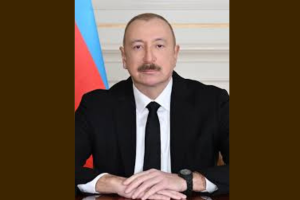
Ilham Aliyev, President of Azerbaijan, is another leader whose wealth reflects access to energy resources and national economic power. With an estimated net worth of around $500 million, Aliyev stands among the richest presidents in 2025.
Azerbaijan’s oil and gas resources play a central role in the nation’s economy. Aliyev’s leadership has coincided with strategic energy agreements and foreign investment — factors that have contributed to his personal fortune.
Aliyev’s success highlights:
The link between national energy wealth and presidential wealth accumulation, especially in resource-rich emerging economies.
7. Recep Tayyip Erdoğan – Türkiye (Estimated Net Worth: ~$500 Million)
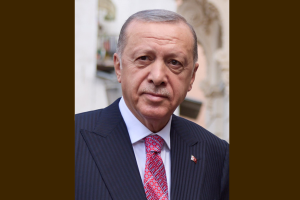
Recep Tayyip Erdoğan, President of Türkiye, also ranks among the world’s wealthiest presidents, with an estimated net worth of $500 million.
Erdoğan’s financial standing reflects a mix of political era longevity, diversified investments, and economic influence within one of the region’s largest economies. Türkiye’s strategic geopolitical role and developing market status amplify the financial opportunities available to leaders.
Erdoğan’s wealth considerations:
-
Long political tenure
-
Business and investment opportunities
-
Influence in national economic policy
His inclusion in this list highlights how wealth among presidents can span different regions and economic systems.
8. Paul Kagame – Rwanda (Estimated Net Worth: ~$500 Million)
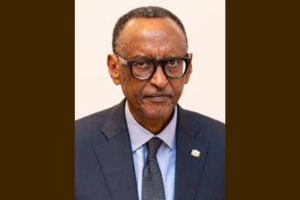
The President of Rwanda, Paul Kagame, is another African leader featured among the richest in 2025, with an estimated net worth of $500 million.
Kagame’s wealth reflects Rwanda’s economic progress, increased global investment, and strategic technology growth, though much of his personal wealth is linked to political influence and public-private participation in national development initiatives.
Kagame’s key wealth factors:
-
Growth of Rwanda’s service and technology sectors
-
Influence on national economic strategy
-
Investments tied to public and private sector partnerships
His position in this ranking demonstrates that wealth among presidents is not limited to large or resource-heavy countries.
9. Cyril Ramaphosa – South Africa (Estimated Net Worth: ~$450 Million)
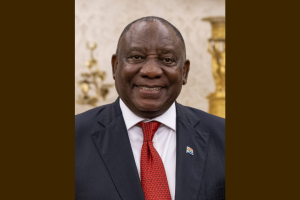
Cyril Ramaphosa, President of South Africa, has an estimated net worth of $450 million — making him one of the richest presidents in Africa and the world in 2025.
Before entering politics, Ramaphosa built significant wealth through business ventures, particularly in mining and investments. His legacy includes major roles in South African business and politics, and his personal financial strength reflects decades of strategic leadership.
Ramaphosa’s wealth sources include:
-
Mining and investment holdings
-
Business leadership before politics
-
Long-term economic positioning
His inclusion shows how presidents with extensive private sector experience can maintain considerable personal wealth.
10. William Ruto – Kenya (Estimated Net Worth: ~$400 Million)
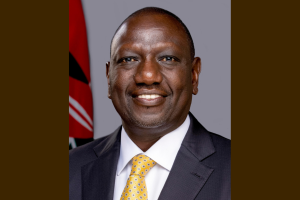
Rounding out the top 10 is William Ruto, President of Kenya, with an estimated net worth of approximately $400 million.
Ruto’s wealth stems from business ventures, agricultural investments, and strategic economic roles in Kenya’s growth sectors. His story illustrates how political figures in emerging markets can build significant personal wealth through diverse economic engagements.
Ruto’s financial highlights:
-
Investment in agriculture and enterprise
-
Involvement in national economic policies
-
Long-term network building across business sectors
Summary: Top 10 Richest Presidents in the World (2025)
| Rank | President | Country | Estimated Net Worth |
|---|---|---|---|
| 1 | Vladimir Putin | Russia | ~$258B |
| 2 | Donald Trump | United States | ~$6.1B |
| 3 | Kim Jong Un | North Korea | ~$5B |
| 4 | Xi Jinping | China | ~$1.5B |
| 5 | Teodoro Obiang Nguema Mbasogo | Equatorial Guinea | ~$940M |
| 6 | Ilham Aliyev | Azerbaijan | ~$500M |
| 7 | Recep Tayyip Erdoğan | Türkiye | ~$500M |
| 8 | Paul Kagame | Rwanda | ~$500M |
| 9 | Cyril Ramaphosa | South Africa | ~$450M |
| 10 | William Ruto | Kenya | ~$400M |
Note: While net worth estimates can vary based on sources and transparency, this ranking reflects widely reported figures and expert analysis from 2025.
The list of the richest presidents in the world in 2025 reveals a fascinating mix of political power and financial prosperity. From resource-rich autocrats to business-savvy democratically elected leaders, wealth accumulation among heads of state often mirrors national economic structures.
Understanding these leaders’ net worth offers insights into not just personal wealth, but also how political influence intersects with economic control — especially in countries where natural resources or strategic industries dominate the economy.