Which Religion is Practiced in Iran in 2025?
Beliefs, Percentages, and Religious Landscape
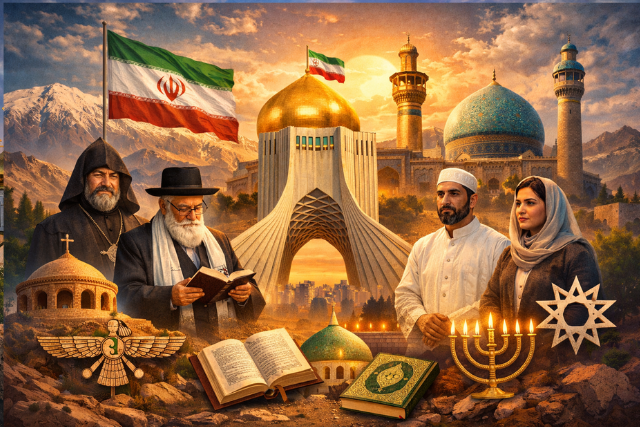
Iran is one of the most religiously significant countries in the Middle East, with a spiritual identity that has shaped its politics, culture, and social structure for centuries. In 2025, religion continues to play a central role in Iranian society, although the country’s religious landscape is more diverse and nuanced than it may appear at first glance.
This article explores which religions are practiced in Iran in 2025, explains their estimated percentages, and examines how faith influences daily life, law, and cultural traditions. It also highlights religious minorities and emerging trends that are reshaping Iran’s spiritual identity.
Overview of Religion in Iran
Iran is officially an Islamic Republic, and Islam is deeply embedded in its constitution, legal system, and national identity. However, Iran is not religiously monolithic. Alongside the Muslim majority, the country is home to ancient religious minorities whose presence predates Islam by centuries.
The Iranian constitution formally recognizes several non-Muslim religions, granting them limited legal protections and parliamentary representation. At the same time, religious affiliation in Iran is closely tied to state authority, which makes precise measurement of belief and practice challenging.
Major Religions Practiced in Iran in 2026 (Percentages)
Based on widely accepted demographic estimates and long-term population patterns, the religious composition of Iran in 2026 can be summarized as follows:
Religious Composition of Iran (2026 – Estimated)
-
Islam (total): ~99%
-
Shia Islam: 90–92%
-
Sunni Islam: 7–9%
-
-
Christianity: ~0.2%
-
Zoroastrianism: ~0.03%
-
Judaism: ~0.01%
-
Baháʼí Faith: ~0.5% (unofficial, not state-recognized)
-
Other religions & non-religious: ~0.2–0.5%
These figures reflect long-term demographic trends and official population data, while also acknowledging underreporting of unrecognized groups.
Islam in Iran: The Dominant Faith
Shia Islam in Iran
Shia Islam is the cornerstone of Iran’s religious and political identity. Iran is the world’s largest Shia-majority country, and Twelver Shia Islam is the official state religion.
Approximately 90–92% of Iranians in 2026 identify as Shia Muslims. Shia doctrine influences:
-
National laws and courts
-
Education and religious instruction
-
Public holidays and rituals
-
Governance and leadership structures
Religious observances such as Ashura, Arbaeen, and Muharram mourning ceremonies remain deeply rooted in Iranian society. Major Shia shrines in cities like Qom and Mashhad continue to attract millions of pilgrims each year.
Despite its dominance, Shia Islam in Iran is not uniform. Levels of personal observance vary significantly, especially between urban and rural populations.
Sunni Islam in Iran
Sunni Muslims form the largest religious minority within Islam in Iran, accounting for approximately 7–9% of the population in 2026.
Sunni communities are primarily concentrated in border regions, including:
-
Kurdistan (Kurds)
-
Sistan and Baluchestan (Baluch people)
-
Parts of Khuzestan (Arab communities)
-
Northern provinces (Turkmen minorities)
While Sunnis are constitutionally recognized as Muslims, they face limitations in political representation and religious infrastructure. Nevertheless, Sunni Islam remains a vital part of Iran’s religious mosaic.
Christianity in Iran
Christianity has a long history in Iran, dating back to the early centuries of the Common Era. In 2025, Christians make up around 0.2% of the population.
Major Christian Groups
-
Armenian Apostolic Church
-
Assyrian Church of the East
-
Catholic and Protestant minorities
Most Iranian Christians belong to ethnic Armenian or Assyrian communities. Churches operate legally in certain cities, and Christians have reserved seats in Iran’s parliament.
Public worship is permitted, but religious activities are generally restricted to recognized ethnic communities. Conversion from Islam is highly sensitive and legally problematic, which limits public visibility of converts.
Zoroastrianism: Iran’s Ancient Faith
Zoroastrianism is one of the world’s oldest monotheistic religions and originated in ancient Persia. Although it is no longer widespread, it holds immense historical and cultural importance in Iran.
In 2025, Zoroastrians account for approximately 0.03% of Iran’s population, numbering in the tens of thousands.
Zoroastrian communities are primarily found in:
-
Yazd
-
Kerman
-
Tehran
They maintain fire temples, cultural centers, and religious schools. The Iranian constitution recognizes Zoroastrians as a protected religious minority, and they have one dedicated parliamentary representative.
Judaism in Iran
Iran hosts the biggest Jewish population in the Middle East apart from Israel. Judaism has existed in Iran for over 2,500 years, dating back to the Persian Empire.
In 2026, Jews represent roughly 0.01% of Iran’s population, with communities mainly in:
-
Tehran
-
Isfahan
-
Shiraz
Iranian Jews are officially recognized and have one seat in parliament. Synagogues operate openly, and Jewish cultural traditions are preserved, although emigration has reduced community size over recent decades.
The Baháʼí Faith in Iran
The Baháʼí Faith originated in Iran in the 19th century and is now a global religion. Despite this, it is not officially recognized by the Iranian government.
Estimates suggest that Baháʼís make up approximately 0.5% of Iran’s population, making them the largest non-Muslim religious minority.
Baháʼís face systemic restrictions, including:
-
Limited access to higher education
-
Employment discrimination
-
Prohibition of public religious institutions
As a result, many Baháʼís practice their faith privately or have emigrated.
Other Religious Groups in Iran
Yarsanism (Ahl-e Haqq)
Yarsanism is a syncretic faith practiced mainly among Kurdish populations in western Iran. Estimates vary, but followers may number between 1 and 3 million, though many are officially registered as Muslims.
Mandaeans
Mandaeans are a small Gnostic religious group with ancient roots in Mesopotamia. Their population in Iran is very small, likely numbering only a few thousand.
Irreligion and Personal Belief Trends
While official data classifies nearly all Iranians as Muslim, independent surveys suggest a growing number of people identify as:
-
Non-religious
-
Spiritual but not religious
-
Agnostic or atheist
Public identification as non-religious remains sensitive, and such views are largely absent from official statistics. Nonetheless, generational shifts, urbanization, and digital exposure are gradually reshaping religious identity in Iran.
Why Religious Percentages in Iran Are Complex
Accurately measuring religion in Iran is difficult for several reasons:
-
Religion is recorded at birth, not updated by belief
-
Unrecognized religions are excluded from official data
-
Conversion away from Islam is legally restricted
-
Social pressure affects self-identification
As a result, official figures tend to reflect legal identity rather than personal belief.
Religion in Iran in 2026
In 2026, Iran remains a predominantly Shia Muslim country, with Islam shaping nearly every aspect of public life. However, beneath this dominant identity lies a rich and complex religious landscape that includes ancient faiths, recognized minorities, and emerging belief trends.